
Your Guide how to tell if eggs are bad 5 steps

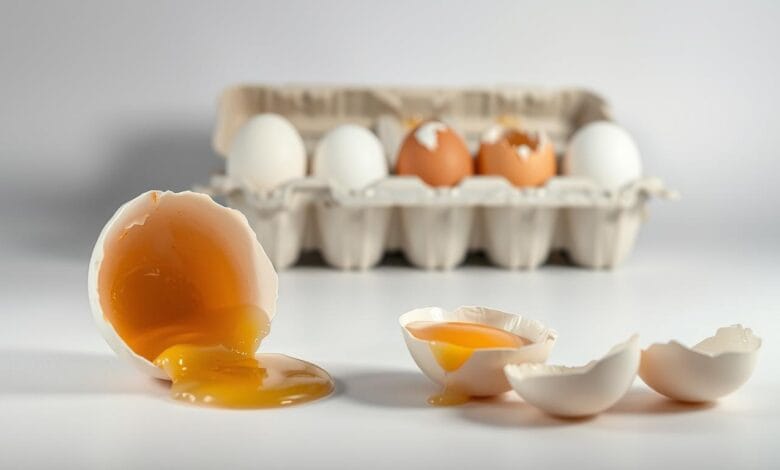
Are you eating spoiled eggs without knowing it? Food safety is a top priority. This is true, even more so for eggs, which can carry Salmonella or other harmful bacteria. These can be present even if the eggs look clean.

Table of Contents
Eating bad eggs can cause serious health problems. It’s important to know the signs of bad eggs to prevent foodborne illnesses. In this guide, we’ll show you how to check if your eggs are fresh. This way, you and your family can stay safe.
Knowing how to check the freshness of eggs is a key skill for anyone who cooks at home. By the end of this article, you’ll know how to make smart choices about the eggs you eat.
Why Checking Egg Freshness Matters
It’s important to check if your eggs are fresh to avoid foodborne illnesses. Eggs can harbor bacteria like Salmonella, which can be dangerous if they’re not stored right or are old. Making sure eggs are fresh is key to keeping your food safe and of good quality.
Health Risks of Consuming Spoiled Eggs
Eating spoiled eggs can cause food poisoning. Symptoms include watery diarrhea, stomach cramps, and nausea. In serious cases, it can be life-threatening, mainly for the elderly, pregnant women, and young kids. The risk of Salmonella infection is a big worry, so it’s crucial to check eggs before eating them.
Understanding Egg Quality Deterioration
Egg quality goes down over time due to bacteria or mold. As eggs get older, the chance of contamination goes up, and they might smell or feel different. Proper storage can help slow this down, but it’s not a guarantee. Knowing how eggs deteriorate helps you take steps to eat safe and fresh eggs.
Understanding Egg Dates and Labels
To make sure you’re using fresh eggs, it’s key to know the different dates on egg cartons. Eggs have “sell by,” “best by,” or “expiration” dates. These dates tell you when the eggs are at their best, not when they’re safe to eat.
Decoding Sell-By, Best-By, and Expiration Dates
The “sell by” date is when stores should sell the eggs. The “best by” date shows when the eggs are at their peak quality. The “expiration date” is when the eggs are still fresh. Knowing these dates helps you choose the best eggs.
How Long Eggs Actually Last Beyond Printed Dates
Eggs can stay fresh longer than the printed dates if kept cold. In fact, eggs can last weeks after the “sell by” or “best by” date if stored at 40°F (4°C) or lower. Look for egg quality indicators like the shell’s condition and how the egg floats in water to check their freshness.
How to Tell If Eggs Are Bad: Simple Tests
There are easy ways to check if eggs are still good. These simple tests help you spot spoiled eggs and use fresh ones in your cooking.
The Float Test: Step-by-Step Instructions
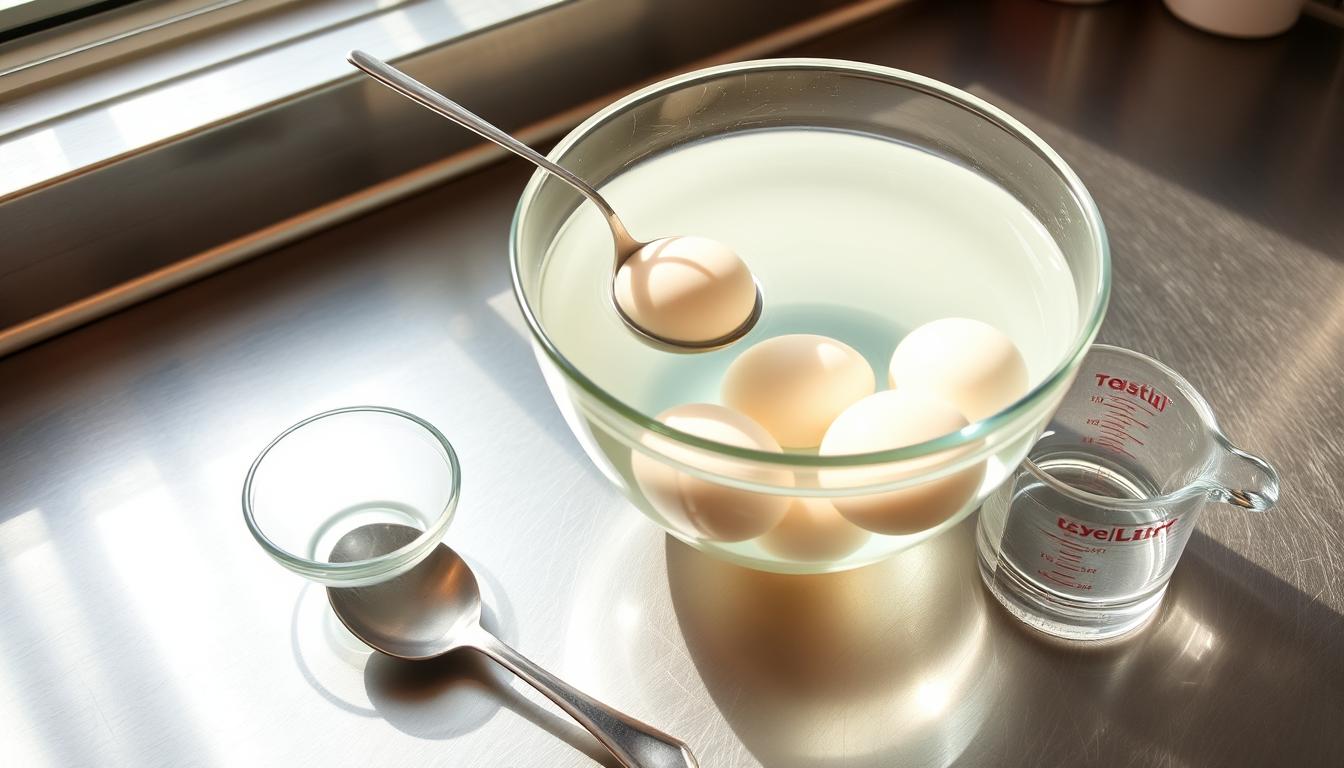
The float test is a simple way to check an egg’s freshness. Fill a bowl with cold water and gently place the egg into it.
- If the egg sinks to the bottom and lies flat, it’s fresh.
- If it stands on its end or floats, it’s likely old or spoiled.
This test works because as an egg ages, air enters through the shell, making it less dense.
The Sniff Test: Identifying Sulfur Smells
A bad egg often has a distinct, unpleasant odor. Crack the egg into a bowl and take a sniff.
If it smells sulfurous or sour, it’s gone bad. Fresh eggs should have little to no scent.
Visual Inspection Techniques
Visual inspection involves checking the egg’s appearance both outside and in.
Examining the Shell
Check the shell for cracks, sliminess, or unusual texture. A fresh egg should have a clean, dry shell.
Checking the Egg White and Yolk
Crack the egg open and inspect the contents. The white should be clear and firm, while the yolk should be round and centered.
If the white is cloudy or the yolk is flat and breaks easily, the egg is likely old or spoiled.
| Test | Fresh Egg | Bad or Old Egg |
|---|---|---|
| Float Test | Sinks to the bottom | Floats or stands on end |
| Sniff Test | Little to no odor | Sulfurous or sour smell |
| Visual Inspection | Clear white, round yolk | Cloudy white, flat yolk |
Additional Methods to Check Egg Freshness
Want to be extra sure about your eggs? There are more ways to check if they’re good to eat. These methods go beyond what you’ve learned before.
The Shake Test: Listening for Movement
The shake test is easy to do. Just shake the egg next to your ear. If you hear sloshing, it’s likely old or spoiled. Fresh eggs are quiet because their contents are tightly packed.
The Candling Method for Checking Inside Eggs
Candling shines a light through the egg to see inside. Use a flashlight in a dark room or a candling device. A fresh egg has a clear yolk and no cracks. If the yolk is blurry or there’s debris, the egg might be spoiled.
The Plate/Bowl Test for Cracked Eggs
For cracked eggs, the plate or bowl test helps. Crack the egg into a separate container first. Look for unusual odors, colors, or textures. If it looks or smells off, throw it away.
| Test Method | Description | Indicates Freshness |
|---|---|---|
| Shake Test | Gently shake the egg beside your ear | No sloshing sound |
| Candling Method | Shine a light through the egg | Clear, defined yolk |
| Plate/Bowl Test | Crack the egg into a separate container | No unusual odors or appearances |
These extra methods help ensure your eggs are quality and safe. They’re great for anyone who loves cooking or wants to avoid foodborne illnesses. These tests are very useful in your kitchen.
Preventing Egg Spoilage
Proper storage can make your eggs last longer. Keeping them fresh is key for quality and safety. Eggs are a common item in many homes, and knowing how to store them right can extend their life.
Optimal Storage Practices
Store eggs in the fridge at 40°F or less. Use their original carton to prevent moisture loss and keep odors out. This also protects them from getting cracked or broken.
| Storage Method | Benefits |
|---|---|
| Refrigerate at 40°F or less | Slows down bacterial growth |
| Store in original carton | Prevents moisture loss and odor absorption |
| Keep away from pungent foods | Prevents odor absorption |
Common Storage Mistakes to Avoid
Don’t leave eggs at room temperature for too long. It can cause bacteria to grow fast. Don’t wash eggs before storing because it removes their protective layer. Also, avoid storing eggs near foods with strong smells.
Maintaining Egg Freshness for Safe Consumption
It’s important to know if eggs are bad for food safety. By understanding egg dates and labels, you can make better choices. Simple tests like the float test, sniff test, and visual inspection can help spot spoiled eggs.
To keep eggs fresh and safe, store them in the fridge at a temperature below 40°F. Don’t store eggs near foods with strong smells. They can pick up odors easily. Following these tips helps you keep eggs fresh and safe.
Checking if eggs are bad isn’t just about expiration dates. It’s about knowing how to tell through tests and storage. Being careful and taking the right steps ensures you can enjoy eggs safely.
FAQ
How can I tell if eggs are bad?
To check if eggs are bad, try the float test, sniff test, and look closely. These tests can show if eggs have gone bad by looking for cracks, strange smells, or changes in the egg’s color and texture.
What are the signs of bad eggs?
Bad eggs smell strongly of sulfur, have visible cracks, or show cloudy egg whites. A dark or greenish yolk is also a bad sign. If you see any of these, it’s best to throw the egg away.
How long do eggs last beyond the expiration date?
Eggs can stay good for weeks after their expiration date if kept cold. How long they last depends on how they’re stored, handled, and their initial quality.
What is the float test, and how do I perform it?
The float test is simple. Just put an egg in cold water. If it sinks flat, it’s fresh. If it stands up or floats, it might be old or spoiled.
Can I still use eggs that have been stored at room temperature?
No, it’s not safe to use eggs that have been at room temperature for too long. Bacteria can grow. Always keep eggs in the fridge to keep them fresh and safe.
How should I store eggs to keep them fresh?
Store eggs in their carton in the fridge, with the pointy end down. This keeps the eggs humid and prevents moisture from getting in.
What is the candling method, and how does it work?
Candling shines a light through the egg to see inside. It can show if the egg has blood spots or dark yolks, helping you spot spoilage.
Can I still eat eggs that have a slight odor?
If an egg smells a bit off, it’s safer to throw it away. A strong smell usually means the egg has gone bad.
How can I prevent egg spoilage?
To avoid spoiled eggs, store them right, handle them carefully, and check their freshness often. Don’t wash eggs before storing, as it can remove their protective coating.